

The drawer under my kitchen island is where food storage used to go to die. For years it was a graveyard of mismatched lids, three bases with no partners, and one tub that still smelled like the chili from two kitchens ago. I purged it last spring and set a rule: every container that came back into the house had to earn its shelf space. After a full year of packed lunches, leftovers and a long flying season, exactly two sets survived. The Rubbermaid Brilliance ten-piece set and a stack of Glasslock. They are both good, and they are good in opposite directions, which is the whole point of this comparison.
Short answer first. Rubbermaid Brilliance is clear, lightweight plastic that shrugs off a drop, with a four-latch lid that does not leak. Glasslock is tempered glass with a locking plastic lid, heavier, stain-proof and oven-safe. If you carry food in a bag and drop things in the kitchen, buy Brilliance. If you reheat in the oven and cook a lot of tomato and curry, buy Glasslock. I keep both in rotation because the honest answer is that each one is built for a different week of your life.
| Rubbermaid Brilliance | Glasslock | |
|---|---|---|
| Cost per piece | A ten-piece set (5 bodies, 5 lids) at a fair mid-range price. You are paying for the lid engineering, and per container it is not the cheapest way to fill a drawer. | A popular 18-piece set lands in the same price neighborhood with nearly twice as many pieces, which makes it the better deal on raw value. |
| Weight in hand | Clear food-grade plastic base, light enough to grab one-handed even full. | Tempered glass is heavy, a full large base is a two-hand lift. |
| Drop and chip resistance | Knock one off the counter and it bounces. No shards on the tile. | Tempered glass is tough, but one bad angle on tile or stone and the base is done. |
| Stains and smells | Tomato and curry tint the clear plastic over time, and the silicone gasket can hold a garlic smell. | Glass does not stain and does not hold smells. Pour in bright red sauce, rinse it, and it looks new. |
| Reheating | Microwave-safe with the vent open. Never goes in the oven. | The glass base goes from fridge to microwave to a 430F oven, lid off for the oven. |
| Cabinet space | Bases nest inside each other and each lid locks onto the base below it, so ten pieces stand in one tall stack. | Glass bodies do not nest. Every container claims its own full footprint on the shelf. |
| Leak-proof seal | Four-corner latching lid with a full silicone gasket. I have carried these sideways in a flight bag, zero leaks. | Four side-tab locks with a gasket of their own seal well, but the ring needs a careful seat every time. |
| Freezer and dishwasher | Freezer-safe and dishwasher-safe. Lids on the top rack. | Same story. Glass and plastic both handle the freezer and the machine fine. |
Where Rubbermaid Wins
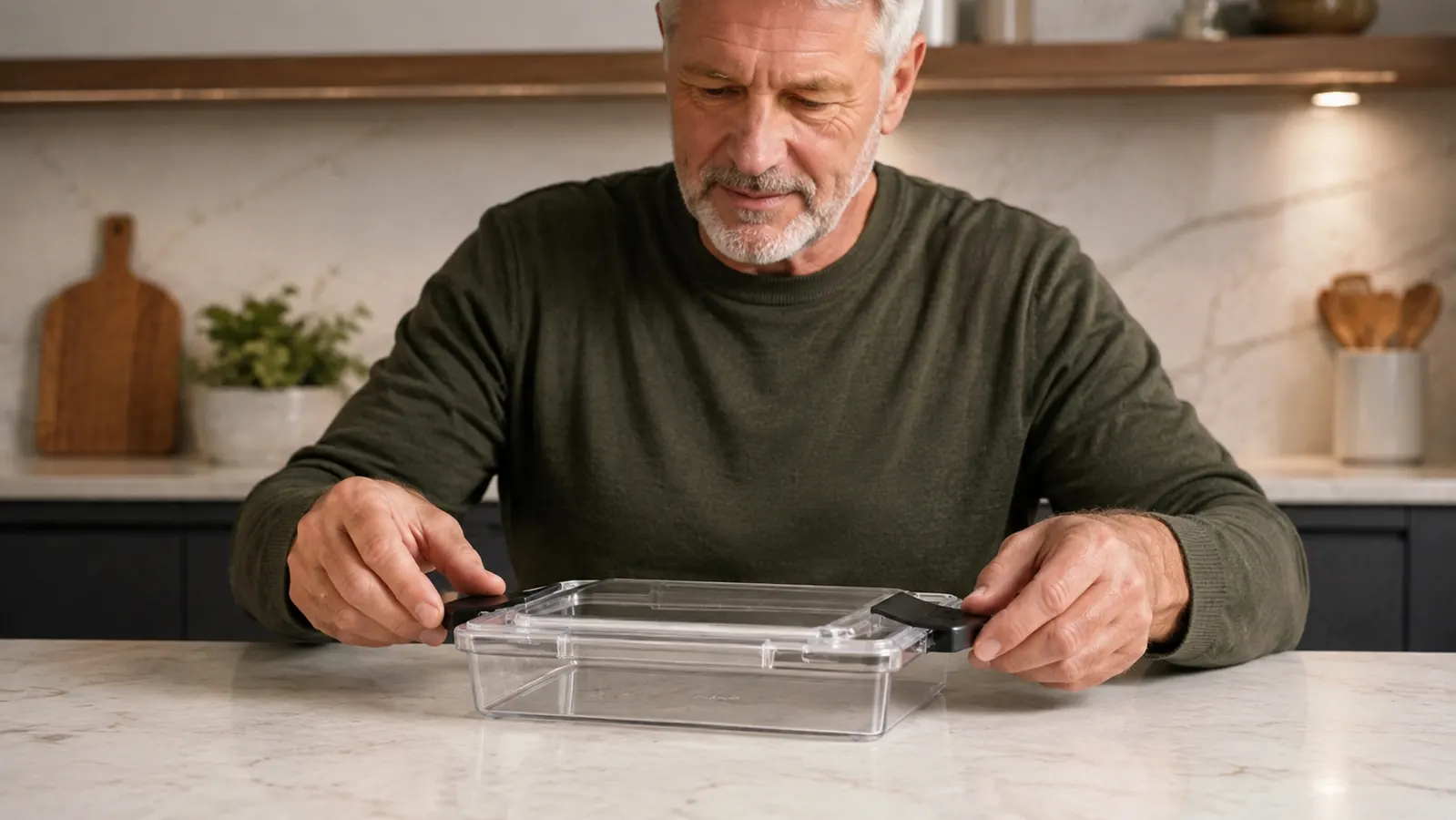
The biggest difference shows up on the days you actually carry food somewhere. I pack a lunch for every workday I plan to fly after work, and a full Brilliance container rides in my flight bag with a folded towel under it. In a year of that routine I have never once cleaned a Brilliance container out of a bag. The lid has a tiny steam vent you can flip open for the microwave, so nothing pops and sprays, and the four latches seat with a snap you can feel through the plastic. That sounds like a small thing until you own a lid that pops open in a drawer at 6 a.m.
The other quiet win is cabinet space. The Brilliance bases nest inside each other and each lid locks onto the base below it, so the whole ten-piece set stands in a stack about the height of one large container. My upper cabinet shelf holds all ten pieces with room left for the coffee canisters. Glass has no answer to that, every glass base takes a full footprint no matter what you do. And I should say it plainly, dropping one is a non-event. I have knocked Brilliance containers onto a tile floor and onto the garage floor, and both times the box just bounced. Nobody buys food storage planning to drop it, but everybody does eventually.
One more thing before I get to the glass. I spent years standing back from the microwave because reheating soup meant a lid that pops loose and a turntable to wipe. The Brilliance lids have a small steam vent you flip open before heating, and it does what it says. Five days of the same leftover soup in a row, and I never wiped the inside of the microwave. When the containers come out hot, the latch corners stay cool enough to grab. None of that shows on a spec sheet, but it is the difference between a container you reach for and one you push to the back of the drawer.
Where Glasslock Wins
Glasslock takes the two battlegrounds where plastic eventually loses. The first is staining. Every summer I make a big pot of sauce from garden tomatoes, and that much pigment will tint a plastic container within a few weeks. The Brilliance acrylic is better than cheap plastic, but it is not immune, and I have one round Brilliance tub that is permanently pink around the rim. The Glasslock base that held the same sauce rinsed back to crystal clear. The same goes for smells. Curry, chili, garlic, the glass comes clean and the next meal tastes like itself instead of last Tuesday.
The second is reheating. A Glasslock base goes from the fridge to the microwave to a 430F oven without a second thought, lid off when it goes in the oven. Leftover lasagna reheats in the same dish it was stored in, which means one less plate to wash and no transfer step. I was going to reheat any of it in a glass dish anyway, so the Glasslock set just cut out a move. The value story leans glass too. A popular 18-piece Glasslock set usually sells in the same price neighborhood as the Brilliance ten-piece, so you get almost twice as many pieces for the same money.
The glass earns double duty as bakeware, which I underrated when I bought the set. A tray of lasagna goes from assembly straight into the fridge, then from the fridge into a 430F oven with the lid off, and the dish you cook in is the dish you serve from and store in. The Brilliance plastic can never do that, and I stopped asking it to. If your kitchen runs on casseroles, that one difference is worth more than every other row in this table. Restaurant walk-ins are stacked with glass rather than plastic for a reason, and it is not nostalgia.
A full Rubbermaid Brilliance container rides in my flight bag with a folded towel under it, and in a year I have never cleaned one out of a bag.
The Honest Downsides of Both
Neither set is perfect, and I would not write this piece if I thought otherwise. The Rubbermaid Brilliance acrylic does go pink around the rim after a summer of tomato dishes, the lids are the part you will eventually replace, and if you reheat plastic every day you will always wonder whether you should have chosen glass. The price is fair but it is not the cheapest box on the shelf, and the ten-piece set runs out of bodies fast once it becomes your everyday carrier. I own the set of five and I could honestly use two of the medium rounds.
The Glasslock side has two real problems. The first is weight. A full large Glasslock base pulls down on your wrist in a way plastic never does, and if your hands are not what they were, that is not a small thing. The second is the floor. Tempered glass is strong, but strong is not unbreakable, and one unlucky drop on tile ends a base for good. The lids also need a deliberate seat to seal. You cannot slam a Glasslock lid and walk away the way you can with the Brilliance latches, and a half-seated Glasslock lid will let juice out in a bag.
Both sets want the same dishwasher habit, and it is worth naming now so you blame yourself, not the box. Top rack for the gaskets, lids away from the heating element, and never stack a hot lid on a hot base. I have run both sets through the machine hundreds of times and neither has failed, but I have never tortured them. The Brilliance gasket will hold a garlic smell if you feed it a month of curry without a rinse. The Glasslock ring is harder to clean once it smells, since you cannot soak the part you need to reseal tomorrow. A quick hand rinse after strongly spiced meals keeps both honest.
The last word from the hangar, because this is the test that settled it for me. I packed two Rubbermaid Brilliance containers with sandwiches and fruit in the cooler for a day at the track, and the same lunch in a Glasslock base beside it. Five hours later the plastic containers were as good as packed, and the glass one had a patch of condensation and a heavier footprint in the cooler. Anything that has to ride anywhere in this house goes in the Rubbermaid. Anything that is headed for the oven or a tomato sauce goes in the glass. Buy for the job, not for the brand.
The set I reach for when food is leaving the house
Rubbermaid Brilliance earns its place on carry days: light, leak-proof, and it stacks to nothing in the cabinet. If most of your food storage is packing and taking, this is the set.
Amazon Check Today's Price on Amazon →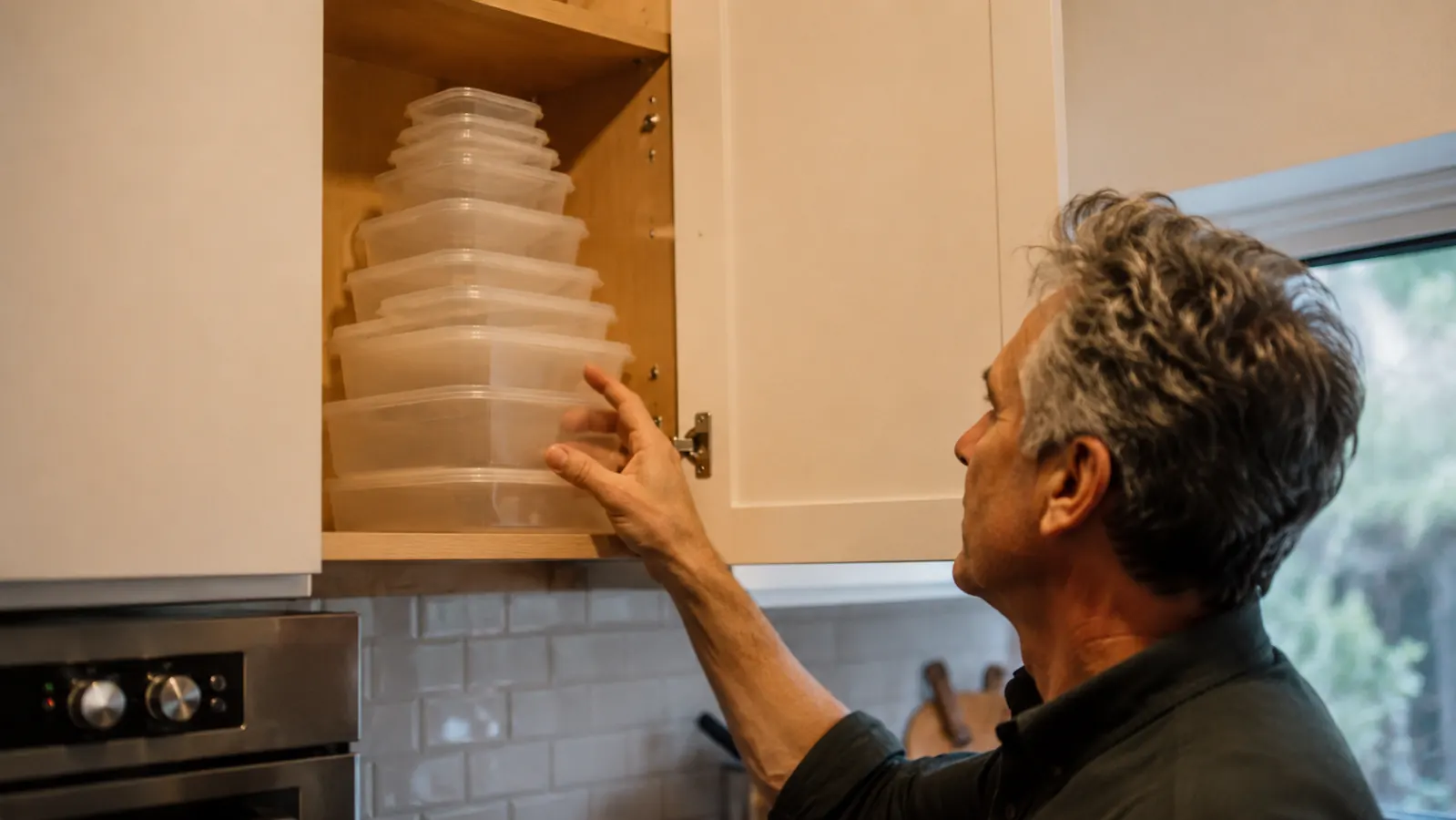
The Lid Is the Real Test
Every storage set I have ever owned failed at the lid before it failed at the base. Lids get flexed over frozen lasagna, slammed onto bases, and run through the dishwasher until the plastic goes brittle. That is why I am comparing these two sets at all instead of telling you to grab whichever cheap bin is on special at the big-box store this week. The Brilliance lid uses four corner latches and a full silicone gasket, and after a year of dishwashing mine still seat flat and seal. The Glasslock lids lock on four sides with a gasket of their own and they seal well, but they are the part of a glass set you will shop replacements for first. If you ever need spares for either set, buy the lids, the bases will outlast them.
What Actually Goes in Mine
I will show my hand so this comparison means something. The Brilliance containers in my kitchen hold cold rice, leftover pasta, the marinated chicken for the grill, cut vegetables on the weekend, and anything heading for a cooler at the racetrack or a flight bag on a flying day. The Glasslock stack holds the sauce-based weeknight meals, the chili, the pulled pork, and anything I plan to reheat in the oven. That split is not accidental. It lines up exactly with the tradeoffs in the table above, and it is the split I would hand to anyone who asked me how to run both.
The one thing I rarely do is freeze either set solid and full. Both makers say their containers handle the freezer, and they do, but I would rather not risk a glass base full of expanding liquid at 3 a.m., so serious freezer jobs go in bags. The rack on the inside of the fridge door is Brilliance territory, light enough for the hinge. The lower shelf, where the weight does not matter, is where the glass does its job. That division keeps a small kitchen running without a single mystery container in it.
Who Should Buy Which
Here is the decision the way I would give it to a friend leaning on the workbench. Buy the Rubbermaid Brilliance set if you pack lunches, take food to the hangar, drive anywhere with food, or drop things. It is lighter, it is unbreakable in normal use, and the clear sides let you see every leftover in the fridge without opening a single lid. That last one quietly saves food, because most of what gets thrown out of this house dies from being forgotten under an opaque lid.
Buy Glasslock if you reheat leftovers in the microwave and the oven, cook tomato and curry dishes a few times a month, and want a container that looks like the day you bought it ten years from now. The trade is the weight and the threat of the floor. And one honest note from a guy who owns both: I would not run out and buy two full sets at once. Start with the Rubbermaid Brilliance ten-piece for the food you carry, add a box of Glasslock for the heavy tomato dishes after you have used the plastic for a month, and you have covered the two real jobs food storage does in a house.
The call, one time
If you carry food anywhere, the Rubbermaid Brilliance set does the job nothing else in the drawer does. Check today's price and stop thinking about containers.
Amazon Check Today's Price on Amazon →